



Before the first light reaches the valley, Igatpuri begins to sing. It starts softly, a single whistle somewhere in the mist, then a reply from across the ridge, then a whole chorus rising from the trees as the cloud lifts. If you have never heard the Sahyadris wake up, birdwatching in Igatpuri is the gentlest way to begin.
This corner of the Western Ghats is not famous for wildlife safaris or crowded sanctuaries, and that is exactly its charm. Here, the birds come to you: to the tree outside your window, the paddy field beside the lane, the wet wire at the edge of the garden. At Rainy Resort, many of our guests arrive for the mist and end up staying up for the birds, binoculars in one hand and a cup of chai in the other.
This guide is for beginners, curious walkers and seasoned birders alike. You do not need expensive gear, a long list of species or any prior knowledge. You only need patience, a little quiet and a willingness to look up.
Why the Western Ghats Are a Bird Lover’s Quiet Secret
The Western Ghats are one of the richest natural regions on earth, a long mountain chain where forest, grassland, streams and farmland sit close together. That variety creates habitat for an extraordinary number of birds, from tiny sunbirds to patient raptors circling above the ridges.
Igatpuri sits in the northern stretch of this chain, where cool air, high rainfall and green slopes give birds everything they need: water, insects, fruit and shelter. The result is a landscape that feels alive from the first hour to the last, even when you cannot see more than twenty feet through the mist.
Best of all, you do not need to trek for hours to see them. The edges of the resort, the village lanes, the open fields and the roadside trees are all excellent places to start.
Why Birdwatching in Igatpuri Is Better Than You Think
Most people associate birding with dry seasons and open plains. In truth, the monsoon is one of the most exciting times to be out, and the hills around Igatpuri show why.
Birdwatching in Igatpuri rewards patience far more than equipment. When the rains arrive, insects multiply, the forest grows dense with fruit and flowers, and many birds become more vocal as the breeding season begins. Some species arrive specially to nest in the damp, green hills, which means the monsoon can bring visitors you will not see at other times of the year.
After the rains, from October through winter, the air clears and the landscape opens up. Visibility improves, the mornings turn crisp, and migratory birds from colder regions begin to appear. In other words, every season has something to offer, and the mountains are never silent.

Meet the Locals: Birds to Look and Listen For
Sightings always depend on weather, season and luck, so treat this as an invitation rather than a promise. Still, these are some of the species that birders hope to meet in the Sahyadri foothills and surrounding countryside.
- Indian pitta: a small, brilliantly coloured bird that migrates to the Western Ghats and nearby forests around the monsoon. Its bright blue, green and orange plumage is unmistakable, and its two-note whistle carries a long way.
- Malabar whistling thrush: famous for a rich, almost human whistle, often heard at dawn near streams and shaded slopes. Many people hear it long before they see it.
- Asian paradise flycatcher: elegant and graceful, the male trails a long, ribbon-like tail as it flits through the trees.
- Bulbuls, sunbirds and drongos: common, charming and reliable. They are ideal for beginners learning to spot and identify movement.
- Kingfishers and bee-eaters: look for flashes of colour near ponds, wet fields and wires after the rain.
- Raptors: keep an eye on the sky between showers for kites and eagles riding the air above the ridges.
Do not worry about identifying everything. Even sitting still and watching a bulbul argue with a drongo can be an hour well spent.
Your First Morning: Rise Before the Mist
Begin your birdwatching in Igatpuri at dawn. Birds are most active in the first two hours after sunrise, when the air is cool, insects are stirring and the light is soft. Set an alarm, pull on a warm layer and take your tea outside before the rest of the world has begun.
Choose a spot and stay put. This is the single most useful piece of advice in all of birding. Instead of walking constantly, sit quietly near a tree, a hedge or the edge of a field and let the birds forget you are there. Within ten minutes, the garden will often reveal itself: a flash of yellow, a flutter in the leaves, a call from somewhere you cannot quite place.
Keep your movements slow. Raise your binoculars gradually. Resist the urge to point or talk. The reward for stillness is a front-row seat to a world that normally goes unnoticed.
Listen First, Look Later
More than half of birding is listening. In the mist, you will often hear a bird long before you spot it, and learning to read sound is the quickest way to deepen the experience.
Start with the basics. Notice whether a call is a whistle, a trill, a chatter or a harsh cry. Notice the rhythm: is it a single note repeated, or a rising phrase? Close your eyes for a minute and try to count how many different voices you can hear at once. You may be surprised.
A small notebook is a wonderful companion here. Write down what you hear in your own words, such as “two quick notes, then a slow descending whistle”. Later, you can match your notes against a field guide or an online recording. Many writers and artists use this same habit, and if it appeals to you, our guide to a writers retreat in the mountains shows how to turn small observations into pages.
Birds in the Rain
Watching birds in wet weather is a distinct pleasure. Many species fluff their feathers and shelter in dense branches during heavy showers, then emerge as soon as the rain eases, hungry and loud. The quiet moments just after a downpour are often the most productive of the day.
Sit under cover with a hot drink and watch the garden through the window. You may see birds shaking out their feathers, bathing in puddles or chasing the insects that rise after rain. It is a slower, softer kind of birding, and it pairs beautifully with the mood described in our piece on the art of rain-watching.
Where to Stay: Views Made for Watching
The room you choose can turn birdwatching in Igatpuri into something you do from your own window. A good perch, a clear view of the trees and a comfortable chair are all a birder really needs.
The Cloud Top Rooms suit guests who love height and open sky, with views that often include drifting mist and the tops of trees at eye level, perfect for spotting birds in flight. Misty Meadow, with its green outlook, is a gentler choice for those who prefer a restful, ground-level view of garden birds feeding in the early light.
Whichever you choose, ask our team about the best times and spots to watch from, and tell us if you are travelling with a group of birding friends. A quick word in advance helps us suggest the quietest corners.
On Foot: Slow Walks and Quiet Lanes
Once you have spent a morning near the resort, take a slow walk. The countryside around Igatpuri is made for gentle exploration, with village lanes, paddy fields, small streams and scattered trees offering a rich mix of habitats.
Walking is where birdwatching in Igatpuri becomes an adventure. Keep the pace unhurried. Stop often. Scan the wires, the treetops, the edges of the fields and the low shrubs. Listen for rustling in dry leaves, which often means a ground-dwelling bird is foraging nearby. If you hear an alarm call, stay still and look around, as it may signal a raptor passing overhead.
In the monsoon, lanes can become slippery and streams can swell quickly. Wear shoes with good grip, avoid crossing flooded paths and check local conditions before you set out. The birds will still be there tomorrow.
Beyond the Birds: Frogs, Butterflies and Fireflies
The same wet, green conditions that bring birds to Igatpuri also bring a whole world of smaller life. After dusk in the monsoon, the chorus of frogs can be astonishing, a layered sound that fills the dark and makes the whole valley feel enchanted. Torch-lit walks near the resort grounds can reveal more than you expect, but keep your light low and stay on safe, open paths.
By day, butterflies, dragonflies and colourful beetles appear in the gaps between showers. Parts of the Sahyadris around the Bhandardara area are also known for firefly displays in the weeks before and around the arrival of the rains, which is another reason to keep your evenings open.
There is no need to catalogue everything. Let curiosity lead. The more slowly you move, the more the landscape begins to reveal.
Simple Gear for Beginners
You do not need a professional kit. Birding is one of the most accessible forms of nature watching, and a few basics are enough. For a quick overview of the hobby itself, the general birdwatching guide is a handy starting point.
- Binoculars: a pair around 8×42 is a good all-round choice.
- Field guide or app: a printed guide to Indian birds, or a reliable app, helps you check what you have seen.
- A notebook and pencil: for quick notes on colour, size, behaviour and sound.
- Muted clothing: greens, browns and greys help you blend in.
- Rain protection: a light raincoat, and a small cover for your binoculars.
- eBird: consider logging your sightings on eBird, a free platform where birders share records that help researchers track bird populations.
How to Plan Your Birdwatching in Igatpuri
A little planning makes the experience smoother, and the best birdwatching in Igatpuri usually fits comfortably into a two-night stay. That gives you one full morning to settle, one to explore and one afternoon to rest and compare notes.
Best time to visit. The monsoon, from June to September, is lush and atmospheric, with lively birdsong and dramatic mist. From October to February, the air is clear and cool, visibility is excellent and migratory species add variety. Early morning, within two hours of sunrise, is the best time of day in any season.
How to reach. Igatpuri is roughly three hours from Mumbai by road, depending on traffic, and about an hour from Nashik. The railway station lies on the Mumbai–Nashik line, and our team can help you plan the final stretch.
What to pack. Binoculars, a notebook, a light raincoat, shoes with good grip, a warm layer for early mornings and a flask for tea if you like to watch outdoors.
Birding Etiquette: Leave Only Footprints
Good birdwatching in Igatpuri is gentle on the birds and the land. A few simple habits keep the experience respectful.
- Keep a respectful distance, especially from nests and young birds.
- Never use recorded calls to lure birds out of hiding, as it can stress them.
- Avoid flash photography, particularly at dawn and dusk.
- Stay on existing paths and lanes, and leave plants and animals undisturbed.
- Carry out any litter you bring in.
- Speak softly. Quiet is a courtesy to both birds and fellow guests.
Frequently Asked Questions
Is birdwatching in Igatpuri suitable for beginners? Absolutely. Many of the most rewarding sightings are common birds seen close to the resort. All you need is patience, a pair of binoculars and a notebook.
What is the best time of day? The first two hours after sunrise are the most active, and the late afternoon, just before dusk, is the second-best window.
Do I need expensive equipment? No. A basic pair of binoculars and a field guide or app are plenty. Many guests simply use their eyes and ears.
Can children join? Yes, if they enjoy being outdoors. Turn it into a game: count the colours, the calls or the birds that fly overhead.
Will I definitely see specific species? No one can promise sightings, since birds follow their own schedules. That uncertainty is part of the pleasure, and every outing is different.
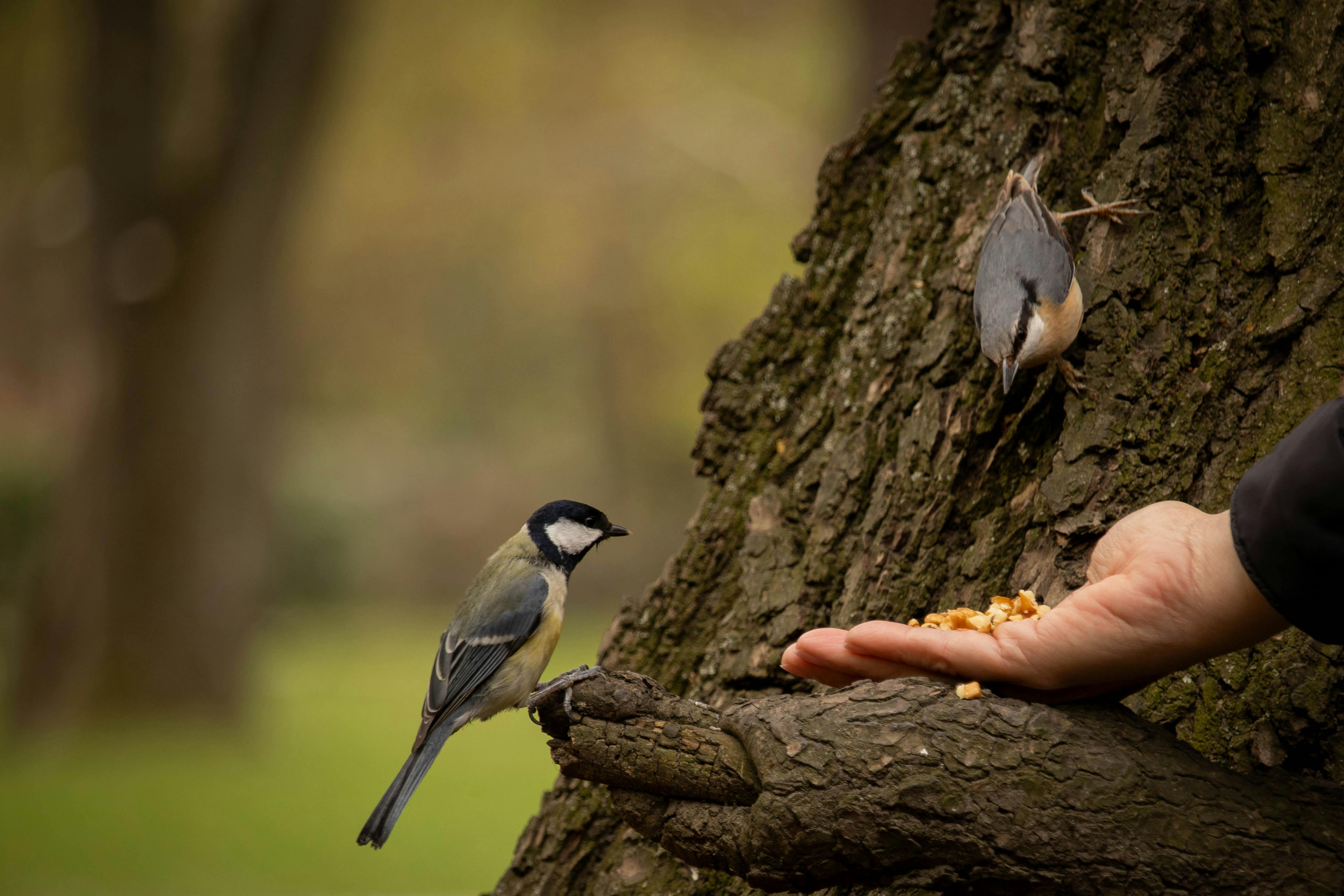
Final Thoughts: The Mountains Are Already Singing
Birdwatching in Igatpuri asks for very little: an early alarm, a warm layer and a willingness to be still. In return, it gives you a different relationship with the landscape, one in which every call, flicker and flutter becomes part of a story you are slowly learning to read.
If you are ready to listen, get in touch with Rainy Resort and plan your stay. The mist will lift soon, and the first whistle is already on its way.